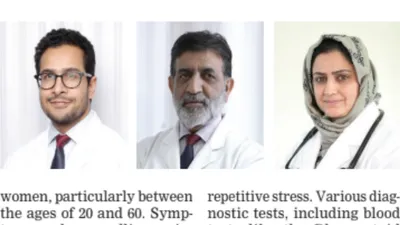
Srinagar, Oct 11: In observance of World Arthritis Day on October 12, Paras Health Srinagar announced a special initiative aimed at promoting awareness and early diagnosis of arthritis.From October 11 to 15, the hospital will provide free consultations for patients experiencing symptoms of arthritis in their outpatient department (OPD). This initiative emphasises the importance of understanding arthritis, recognizing its symptoms, and seeking early diagnosis for effective treatment.Arthritis, an inflammatory joint disorder, affects an estimated 180 million people in India, according to the Indian Council of Medical Research (ICMR). Alarmingly, one in three women over 60 suffers from this debilitating condition, and even young women in their 20s and 30s are increasingly affected. Arthritis can lead to significant health concerns, severely impacting quality of life and potentially evolving into life-threatening systemic issues if not diagnosed early.Dr. Lubna Khurshid, Senior Consultant in Rheumatology, emphasizes the critical need for awareness, stating, “Rheumatoid Arthritis (RA) is more common in women, particularly between the ages of 20 and 60. Symptoms such as swelling, pain, and stiffness—especially in the morning—are common indicators. It’s essential to recognize that RA can extend beyond joint pain; it can also affect the lungs, eyes, skin, and mouth. For instance, it may cause inflammation and scarring of the lungs, leading to progressive lung disease. Early diagnosis is crucial because, while there is no specific cure for arthritis, treatments such as Disease-Modifying Anti-Rheumatic Drugs (DMARDs) can help slow disease progression and preserve joint function.”In addition to RA, there are over 100 types of arthritis, with osteoarthritis (OA) being one of the most prevalent. OA typically affects individuals over 50 years of age, causing wear and tear in weight-bearing joints such as the knees and hips. Symptoms include joint pain, stiffness, and reduced mobility, often linked to aging, joint injuries, obesity, and repetitive stress. Various diagnostic tests, including blood tests like the Rheumatoid Factor (RF) and Erythrocyte Sedimentation Rate (ESR), as well as imaging tests such as X-rays and MRIs, are vital for confirming a diagnosis and determining the appropriate treatment plan.

Paras Health Srinagar offers free consultations on…




Recent Posts