
A seven-day journey through Chennai and Puducherry with the PIB Media Exposure Tour
PIB Media Exposure Tour to Chennai & Puducherry
By Sheikh Imtiyaz
Executive Editor, Shaharbeen Times
Day 1 — 13 September 2026
From Srinagar to Chennai: The Journey Begins
The journey began from Srinagar with a sense of excitement, curiosity and anticipation. I was part of a 13-member media delegation from Jammu and Kashmir selected for a national media exposure tour organised by the Press Information Bureau (PIB), Srinagar.

The delegation comprised journalists from Jammu and Kashmir and officials accompanying us throughout the tour. Shahid Mohammad Lone, Field Publicity Officer, CBC, was the Conducting Officer, while Ifham Ul Islam, Information Assistant, PIB Srinagar, accompanied the delegation.
Leaving Kashmir and travelling towards Chennai itself was an experience. Within hours, we were moving from the familiar mountains and cool atmosphere of Kashmir to the warm and humid environment of southern India.
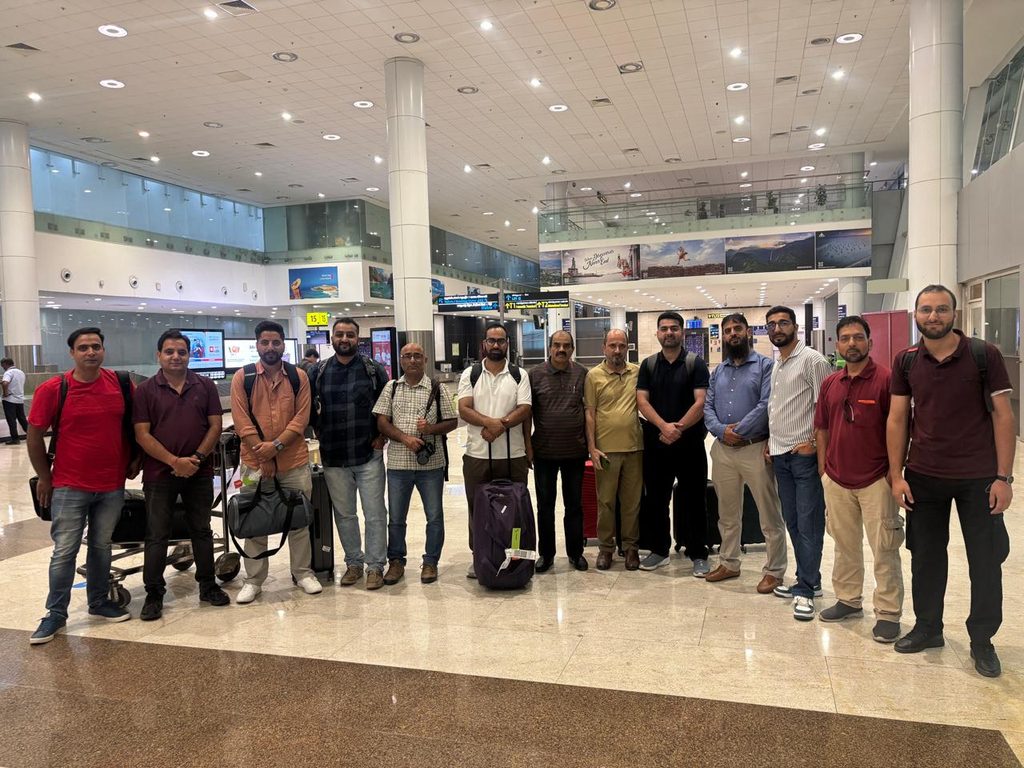
When we reached Chennai International Airport, the PIB Chennai team warmly received the delegation. Their hospitality and the arrangements made for us immediately made us feel comfortable despite being thousands of kilometres away from home.
The first day was largely devoted to travel, arrival and settling in. Yet, there was already a feeling among us that the coming days would be much more than a routine media tour.
For me, the tour represented an opportunity to step outside my familiar professional environment, observe institutions and developments from close quarters, interact with people from different parts of the country and return to Kashmir with new ideas and stories.
As a journalist, I have always believed that travelling is also a form of learning. The first day marked the beginning of that learning journey.
Day 2 — 14 September 2026
DakshinaChitra: Discovering the Living Heritage of South India
The second day took us to DakshinaChitra at Muttukadu, a fascinating cultural space showcasing the traditional architecture and lifestyles of southern India.
The visit introduced us to traditional homes and cultural traditions associated with Tamil Nadu, Kerala, Karnataka and Andhra Pradesh.
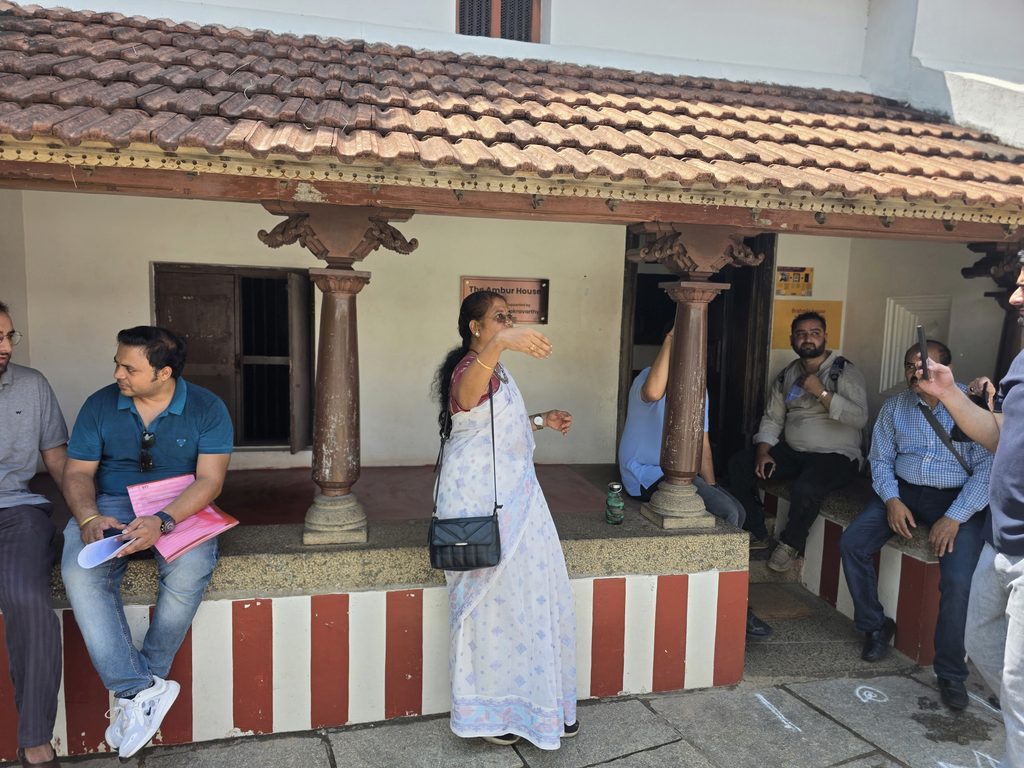
Curator Lakuma Chebrolu briefed the delegation about the traditional houses and the effort involved in preserving the architectural and cultural heritage of the region.
What fascinated me most was not only the architecture but the way traditional communities were organised.
Before smartphones, television and social media transformed communication, villages had their own systems through which information travelled. People met, interacted, exchanged news and discussed matters affecting their communities.
While observing these traditional spaces, I found myself thinking that these gatherings were almost like the old version of a modern communication network. Information travelled from one person to another through human interaction.
In today’s world, information moves at extraordinary speed through the internet. Yet the basic human need remains unchanged—we want to communicate, share information and remain connected with one another.
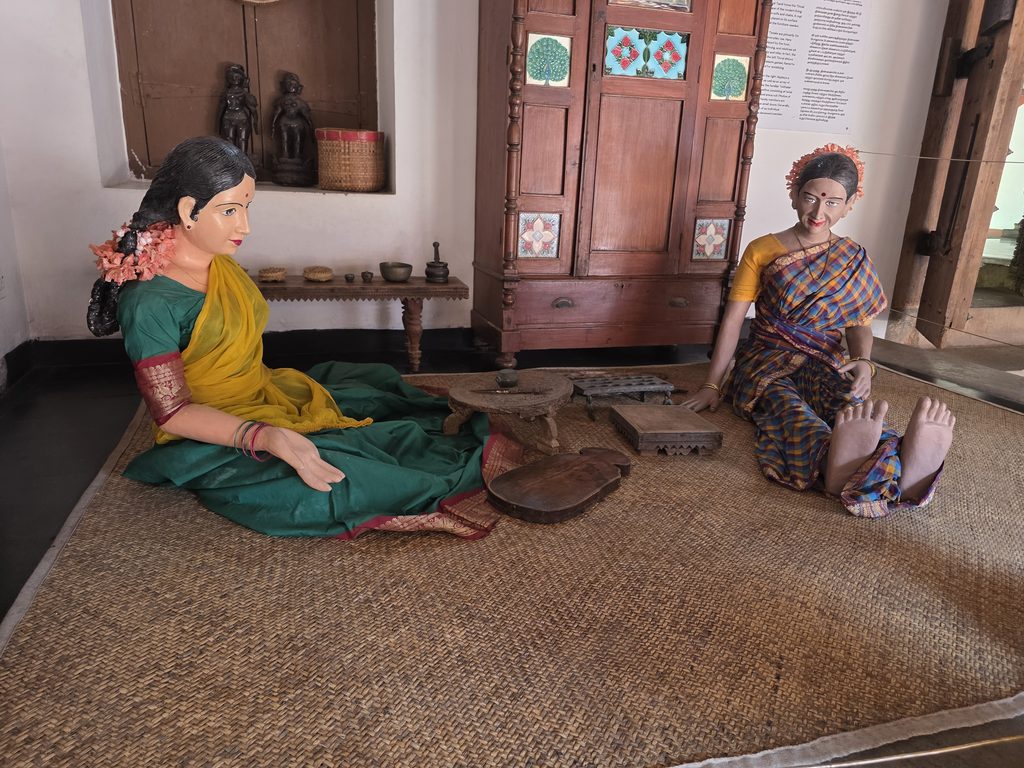
The visit also made me reflect on Kashmir’s own traditional architecture and village culture. Our wooden houses, community spaces, handicrafts and traditional way of life also represent an important part of our collective memory.
For me, DakshinaChitra was therefore not simply a museum visit. It was an opportunity to understand how culture, architecture and community life can be preserved for future generations.
It reminded me that development and modernisation should go hand in hand with the preservation of cultural identity.
Day 3 — 15 September 2026
IIT Madras: Education, Innovation and a New Possibility for Kashmir
The third day was one of the most significant parts of the entire tour for me.
We visited the prestigious Indian Institute of Technology Madras and had the opportunity to interact with Prof. V. Kamakoti, Director, IIT Madras.
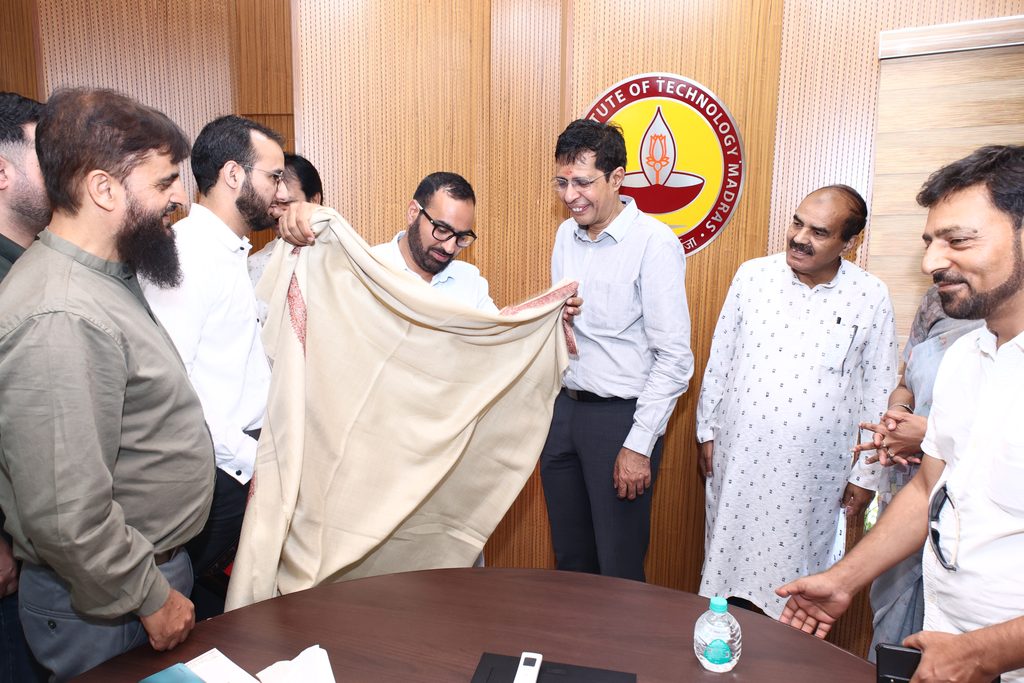
The interaction provided us with an insight into the institution’s approach towards education, innovation, technology and research.
For me, however, the visit had a special personal and professional significance.
While interacting with the IIT Madras leadership, I was particularly interested in exploring possibilities through which students from Jammu and Kashmir could benefit from the institution’s various educational initiatives.
I discussed the possibility of connecting students from Jammua and Kashmir Schools with suitable IIT Madras programmes and initiatives. The deadline of 30 September was particularly important in this regard.
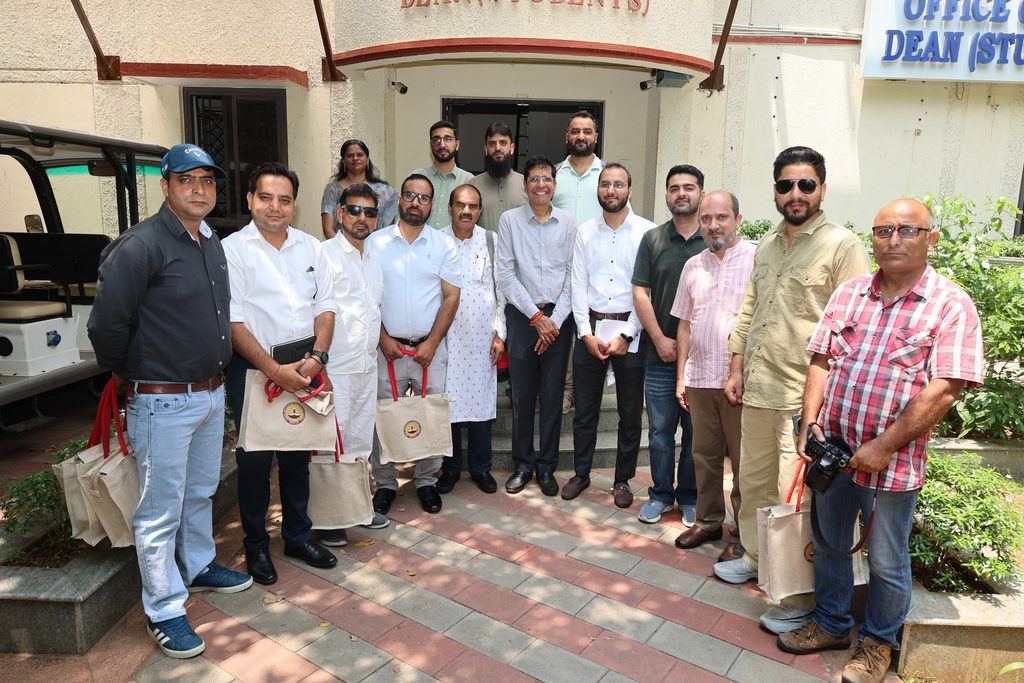
Standing inside one of India’s premier educational institutions, I kept thinking about the enormous potential of students in Kashmir.
Talent is not confined to any particular geographical region. What students often need is exposure, opportunity and a platform where their abilities can develop.
The IIT Madras visit strengthened my belief that journalists can play a role beyond conventional news reporting. We can also act as bridges—connecting people, institutions and opportunities.
I returned from IIT Madras with several thoughts about education and technology and, more importantly, with the hope that institutions in Kashmir can develop stronger links with leading national institutions.
For me, this was one of the most valuable outcomes of the tour.
Day 4 — 16 September 2026
Puducherry: A Conversation on Development, Infrastructure and Opportunity
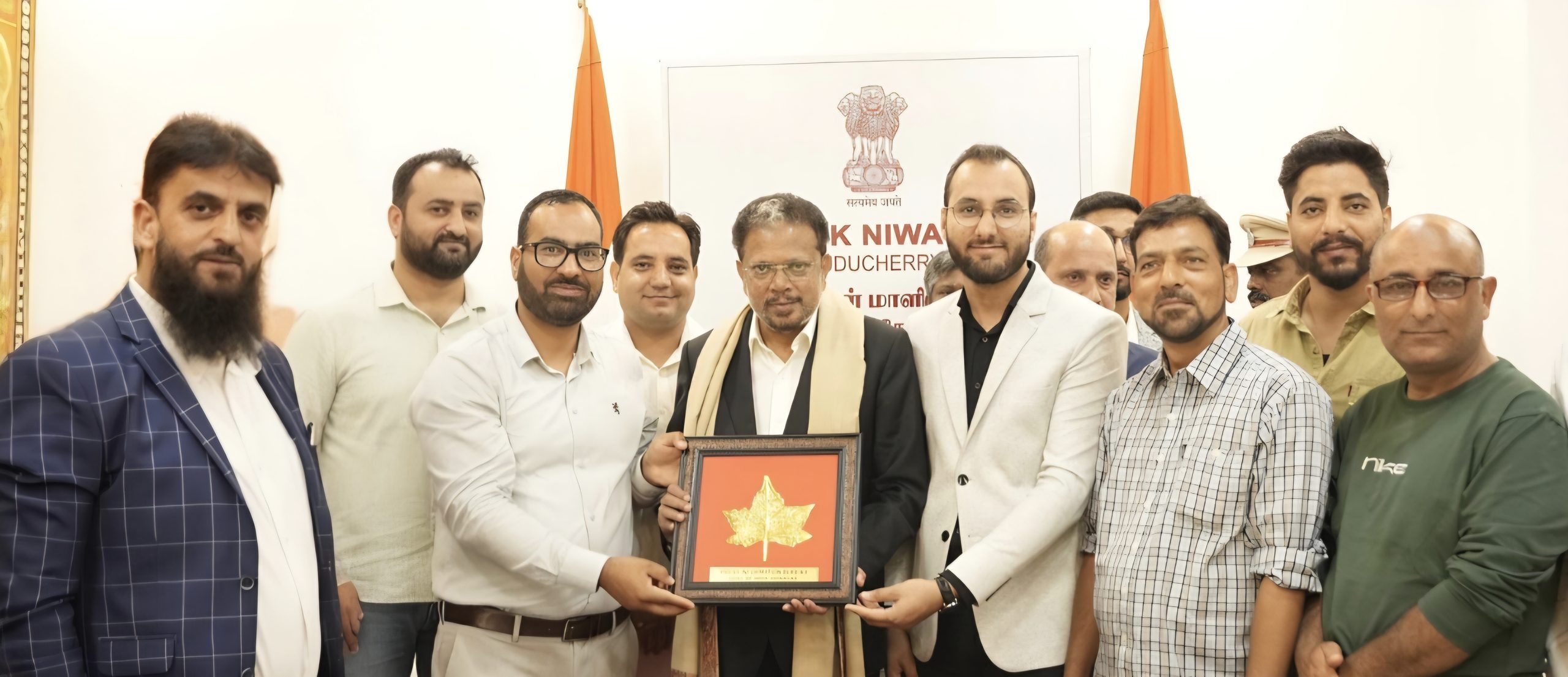
The fourth day took us to Puducherry, where the delegation had the privilege of meeting Lieutenant Governor Shri Kuniyil Kailashnathan at Raj Niwas.
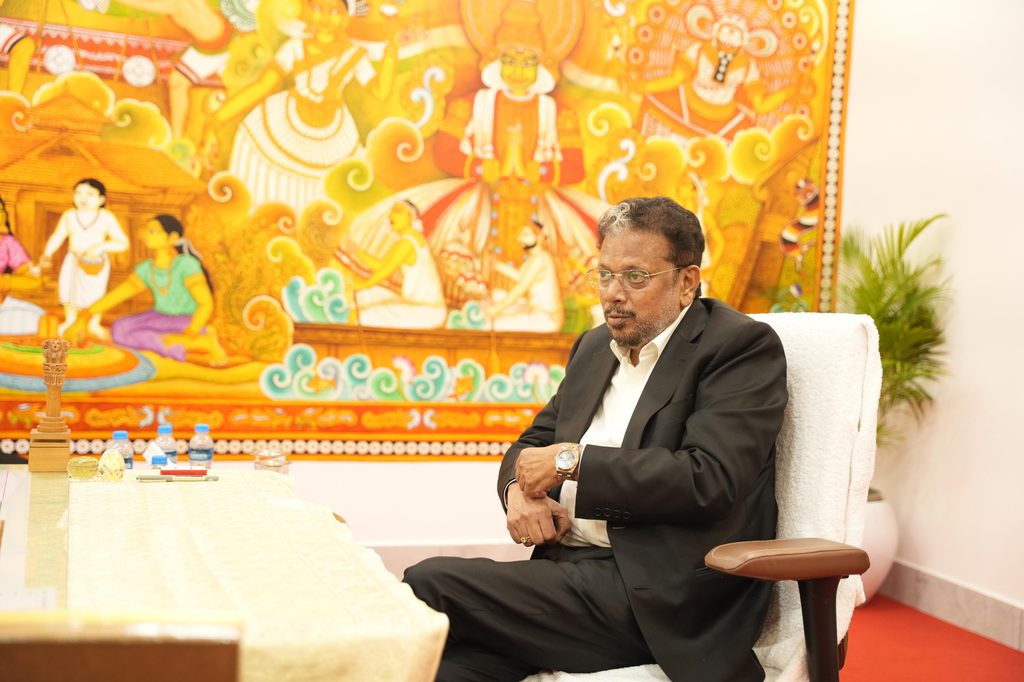
The meeting was one of the most engaging interactions of the tour. Sitting with the Lieutenant Governor and listening to his perspective on Puducherry’s development gave us an opportunity to understand the Union Territory beyond its image as a tourist destination.
During the interaction, the Lieutenant Governor spoke about the importance of basic infrastructure, better connectivity, affordable electricity and tax concessions in creating a favourable environment for business and investment.

His observations made me think about the close connection between infrastructure and economic opportunity. Roads, electricity, connectivity and a supportive business environment may appear to be separate subjects, but together they form the foundation on which economic activity and employment can grow.
The discussion also touched upon the role of the Union Government and its initiatives in supporting development.
Healthcare was another important subject. Puducherry, despite having a population of around 15 lakh, has a significant medical education and healthcare ecosystem, including seven medical colleges and institutions such as JIPMER.
The healthcare sector’s potential to contribute not only to medical services but also to medical tourism was an interesting aspect of the discussion.
As a journalist from Kashmir, I naturally found myself relating many of these issues to Jammu and Kashmir.
Connectivity, infrastructure, healthcare, education and employment are subjects that directly affect people’s lives in Kashmir as well.
What I particularly appreciated about the interaction was the opportunity to listen directly rather than simply read about development initiatives through official statements.
The visit gave me a broader understanding of how a Union Territory can approach development by bringing together infrastructure, healthcare, connectivity and economic opportunities.

I left Raj Niwas with several thoughts for stories and reflections that could be relevant to readers back home in Kashmir.
Day 5 — 17 September 2026
ICF and Chennai Port: Seeing India’s Infrastructure from Close Quarters
The fifth day took us into the heart of India’s transportation and maritime infrastructure.
The delegation visited the Integral Coach Factory (ICF) in Chennai, where we were given an opportunity to see the manufacturing process of railway coaches, including modern LHB coaches.
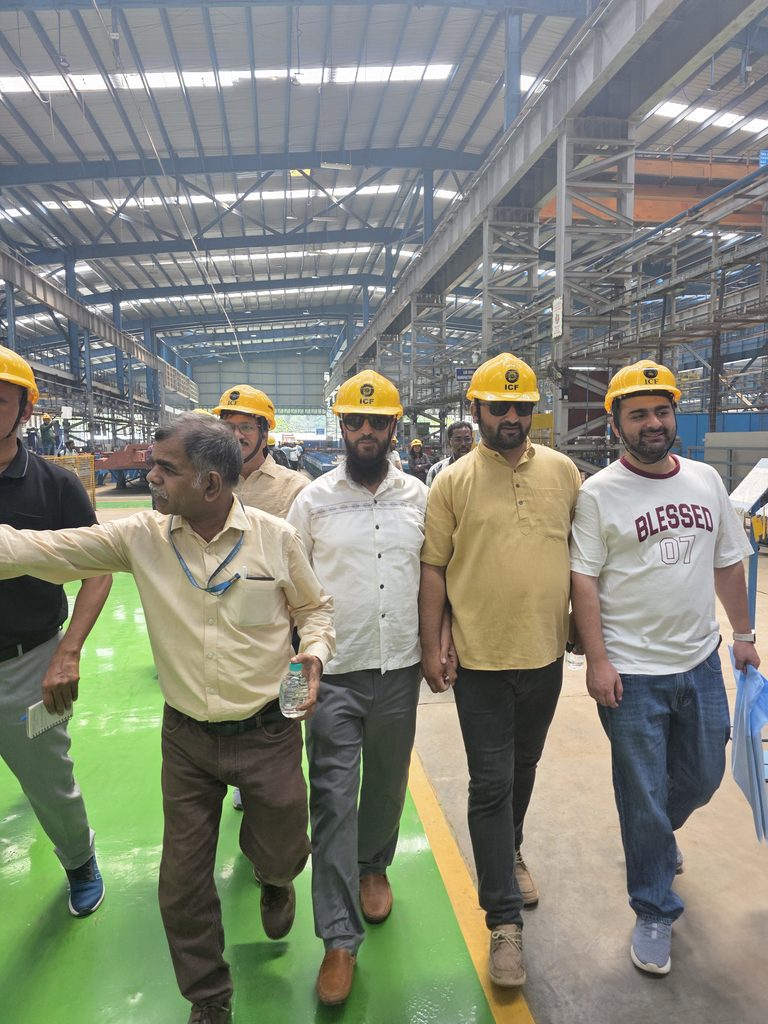
For a journalist, there is a major difference between reporting something from a press release and actually standing at the place where it happens.
At ICF, we could see the scale of engineering, manufacturing and coordination involved in producing railway coaches.
Millions of Indians travel by train, but most passengers see only the finished product—the train arriving at a platform. Visiting the factory allowed us to see the enormous effort and technical process behind that familiar experience.
The delegation later visited Chennai Port and received an insight into the functioning of one of the country’s important maritime infrastructure facilities.
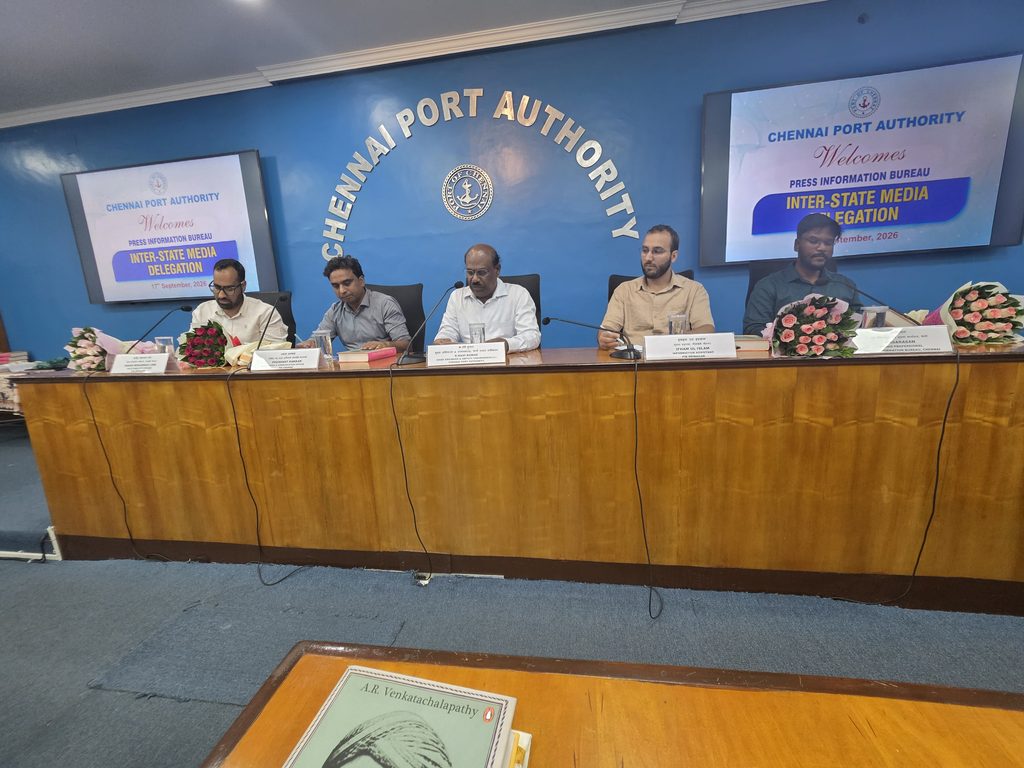
Ports are not merely places where ships arrive and depart. They are critical components of trade, logistics, industry and the wider economy.

The day’s programme also included an interaction with the Minister of State for Information and Broadcasting.
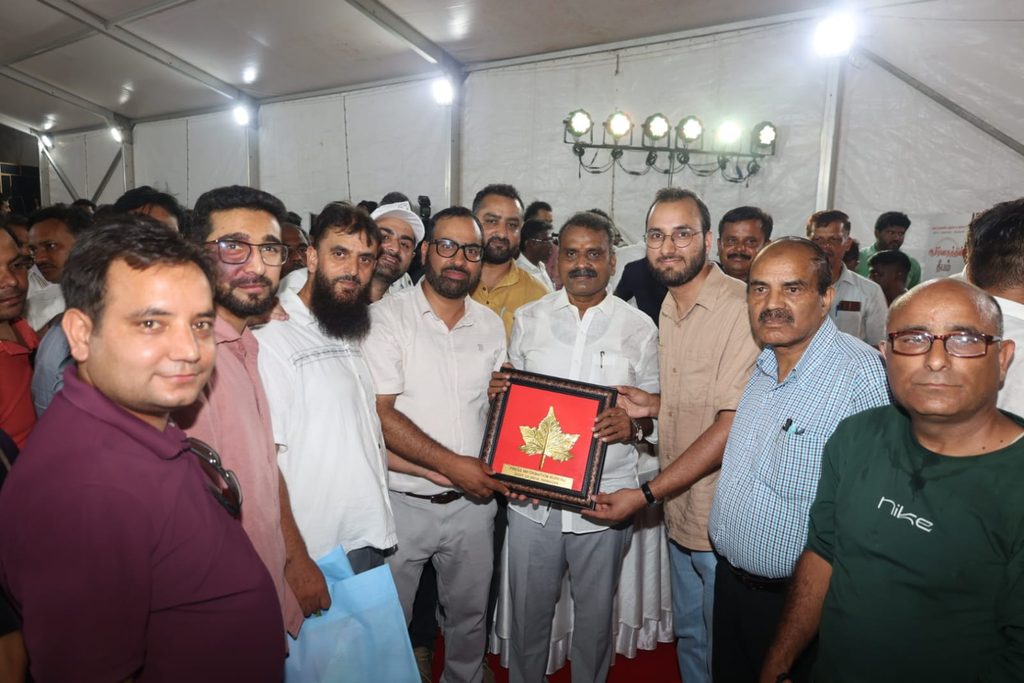
The discussions provided an opportunity to reflect on the role of the media in communicating information about national development and major public institutions.
For me, the day reinforced an important journalistic lesson: ground visits add depth to reporting.
When a journalist personally sees a manufacturing facility, a port, a laboratory or an institution, the eventual story carries observations that cannot be obtained simply by reading a document.
The fifth day therefore became another important learning experience.
Day 6 — 18 September 2026
From Chennai to Srinagar: Could Pickleball in Malls Change Recreation in Kashmir?
The sixth day brought one of the most unexpected and interesting experiences of the tour.
The delegation attended the Tamil Nadu Premier Pickleball League Season 2 at Express Avenue Mall in Chennai.

What immediately caught my attention was the venue.
A modern shopping mall had been transformed into a sporting arena, with pickleball courts installed in the central atrium. Spectators gathered around the courts and watched the matches from different levels of the mall.
As I watched the game, my thoughts naturally travelled back to Kashmir.
Could something similar work in Srinagar?
Kashmir has a young population and a growing interest in sports and recreational activities. But access to organised recreational spaces remains an important consideration.
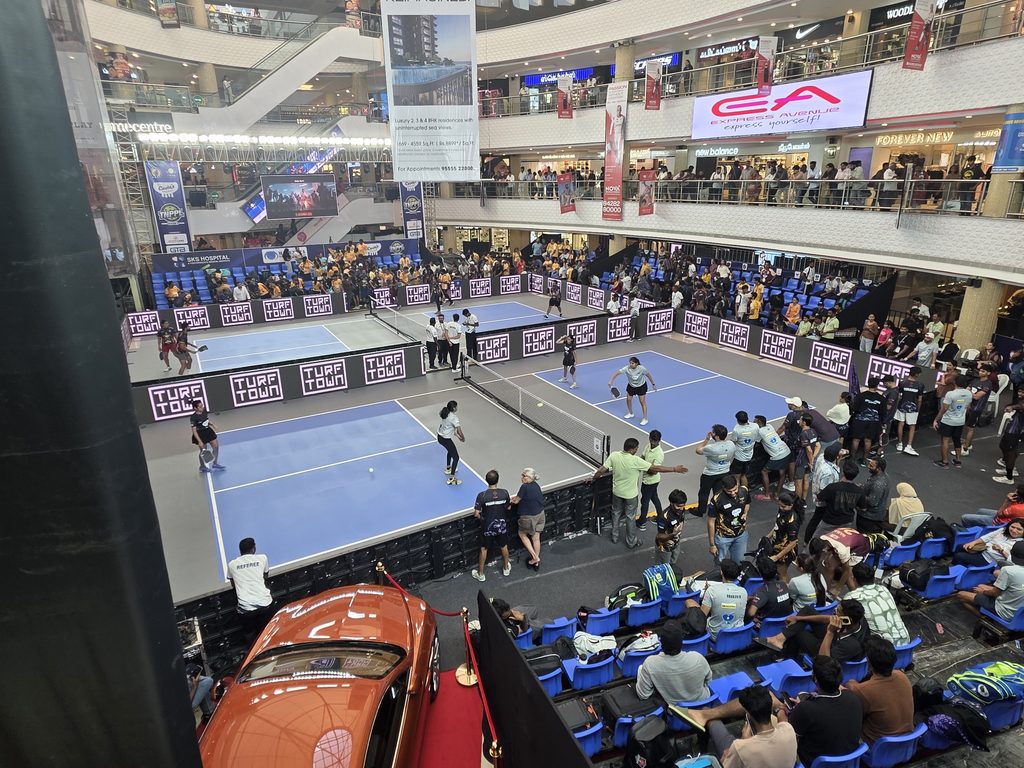
The Chennai experience demonstrated an interesting possibility—bringing sports closer to people by placing them in spaces they already visit.
A shopping mall is traditionally associated with shopping, food and entertainment. Turning part of such a space into a sporting venue creates an entirely different experience.
The idea stayed with me throughout the day.
As a journalist, I found myself thinking not simply about the event but about whether the concept could be adapted to Kashmir.
That thought eventually took the shape of a possible story:
“From Chennai to Srinagar: How Pickleball in Malls Could Redefine Recreation in Kashmir.”
This was perhaps one of the most rewarding aspects of the entire tour—seeing something in another part of India and immediately thinking about how a similar idea could benefit people back home.
The sixth day reminded me that a media exposure tour is not only about recording what we see. It is also about discovering ideas.
Day 7 — 19 September 2026
The Journey Home: Returning with Stories, Ideas and Memories
The final day arrived almost before we realised it.
Seven days earlier, we had left Srinagar with curiosity about what awaited us in Chennai and Puducherry. Now it was time to return home.
Looking back, the tour had taken us through remarkably different worlds.
We had experienced the traditional architecture and cultural heritage of South India at DakshinaChitra.
We had visited IIT Madras and discussed education, innovation and opportunities for students from Kashmir.
We had travelled to Puducherry and interacted with the Lieutenant Governor on issues relating to development, infrastructure, healthcare and economic opportunities.
We had seen railway coaches being manufactured at the Integral Coach Factory.
We had visited Chennai Port and observed the importance of maritime infrastructure.
And finally, we had watched professional pickleball being played inside a modern shopping mall.
Each day had offered a different story.
But the greatest value of the tour, for me, was not simply the places we visited. It was the opportunity to observe, interact and think differently.
As journalists, we spend much of our professional lives reporting events around us. Travelling outside our usual environment allows us to see the country from another perspective.

It broadens our understanding and helps us recognise that different regions may have different challenges, but many aspirations are shared—better education, stronger infrastructure, employment opportunities, quality healthcare, connectivity and a better quality of life.
The journey back to Srinagar was therefore not simply a return from a professional tour.
I was returning with a notebook full of observations, several story ideas and many memories of the people and institutions we had encountered.
Final Reflection
More Than a Media Tour
The PIB media exposure tour to Chennai and Puducherry was, for me, much more than a seven-day professional assignment.
It was a journey of observation, learning and reflection.
From culture to education, from governance to infrastructure, from manufacturing to sports, the tour presented different dimensions of contemporary India.
It also reminded me of the responsibility that comes with being a journalist.
A journalist must not only report what happens. He must travel, observe, ask questions, understand different perspectives and bring meaningful experiences back to his readers.
For me, the most important takeaway was that exposure creates ideas.
The visit to IIT Madras generated thoughts about educational opportunities for Kashmir’s students.
The visit to Puducherry provided insights into infrastructure, healthcare and economic development.
The visit to ICF and Chennai Port demonstrated the scale of India’s infrastructure and manufacturing capabilities.
And the pickleball event in a Chennai mall generated an idea about bringing innovative recreational spaces closer to the people of Srinagar.
I returned to Kashmir with a renewed appreciation for the diversity of India and a stronger belief that journalism can serve as a bridge—not only between information and people, but also between ideas and possibilities.
The tour ended on 19 September.
But for me, the stories, ideas and lessons from those seven days have only just begun.
Sheikh Imtiyaz
Executive Editor
Shaharbeen Times