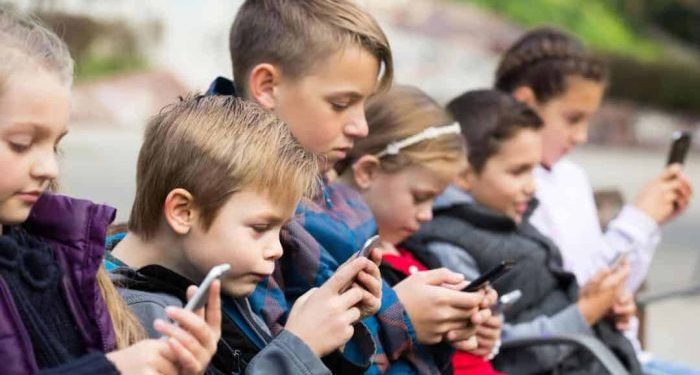
Social media refers to a means of interaction between people through which they create, share, and/or exchange information and ideas in virtual communities and networks. The Australian government has announced plans to introduce legislation that would prevent children under 16 from using social media platforms. It is clear that we need to better protect children and young people online. On balance, the Australian Human Rights Commission does not believe that completely banning social media for children under 16 is the right response. There are less restrictive options available that could achieve the aim of protecting children and young people from harm online but without having such a significant negative impact on other human rights. One example of an alternative response would be to place a legal duty of care on social media companies. This would require them to take reasonable steps to make their products safe for children and young people.Introducing a statutory duty of care would be a proactive way to increase the accountability of social media companies and improve online safety for all. The Commission understands that such a duty of care is being considered by the Government. Social media exposes children and young people to many potential risks, including cyberbullying, harmful content, and online predators. Restricting access would help protect their psychological and emotional health. Studies show that excessive use of social media can interfere with healthy brain development, sleep, and academic performance. The proposed legislation supports a safe developmental environment. Social media platforms collect large amounts of personal data from users, and children may not fully understand how their data is collected, used, or monetized. Restricting access for young users could help reduce privacy violations and the exploitation of personal data by large technology companies.
Restriction of social media platforms for underage children



Recent Posts