
Covishield to be taken 12-16 weeks after the first dose, but how long can you wait? The science behind the revision explained?
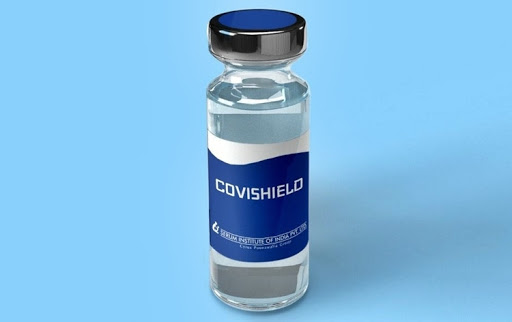
The Centre recently revised the dosing guidelines for administering the Coronavirus vaccine, Covishield 12-16 weeks after the first one, which is a slight stretch from the previous 4-6 week gap.
The revised move, which was recommended by the National Technical Advisory Group on Immunisation (NTAGI) may help more Indians get inoculated (even if partially) and fight the deadly second wave of infections. It is also, according to some experts, a good way to strengthen the vaccine’s efficacy.
But is it safe to stretch your vaccination schedule for so long? Should you be worried if you got your second shot within 6 weeks? Here’s what science says.
02/9Two doses of the COVID-19 vaccine are essential to take?
Barring the single-dose Johnson and Johnson coronavirus vaccine, all approved vaccines are two-dose regimes. For the vaccine to work up a proper immunogenic response, it’s crucial that both the doses are taken as per their stipulated time. While the first dose builds up antibody response in the body, the second dose works by “strengthening” the response further. Hence, right now, it is advised that even if a person tests positive for COVID after the first shot, the second shot be taken nonetheless. It is only after getting jabbed twice that a person is considered to be fully immunized.
03/9The science behind the ‘extended gap’, explained
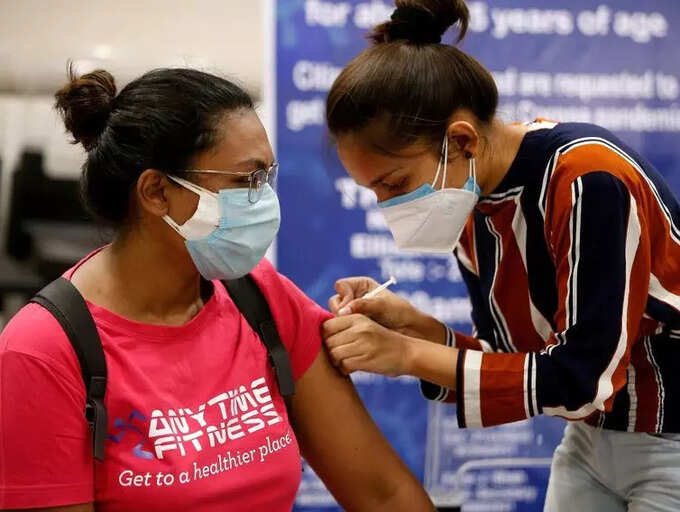
The current revisions have been done following several case studies and clinical data which showcased a heightened immune response when the second COVID-19 jab was taken many weeks after the first dose.
Initial recommendations suggested that the Covishield vaccine be taken 4-6 weeks after the first dose (which was further revised to 4-8 weeks). However, clinical research has been able to find that the vaccine, which carries an 80-90% efficacy rate was able to provide enhanced protection when the second dose was taken at least 8 weeks after.
04/9Delayed gaps could spike antibody response
The 12-week interval isn’t the first to be adopted in India. Spain is also a country where the recommendations are being followed after clinical studies showed good response.
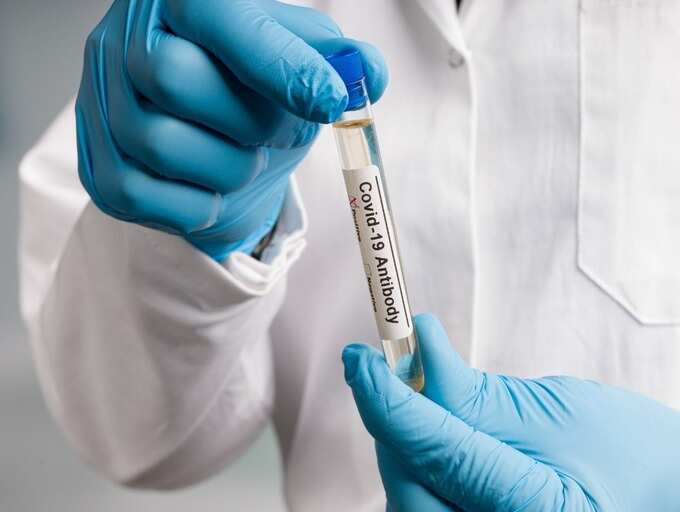
Adding that the prolonged interval provides a strengthened response, doctors have also suggested that the SARS-COV-2 iG antibody response could be two-fold times higher if doses are administered after weeks.
05/9Should you be worried if you got your vaccine jab before the 6-week mark?
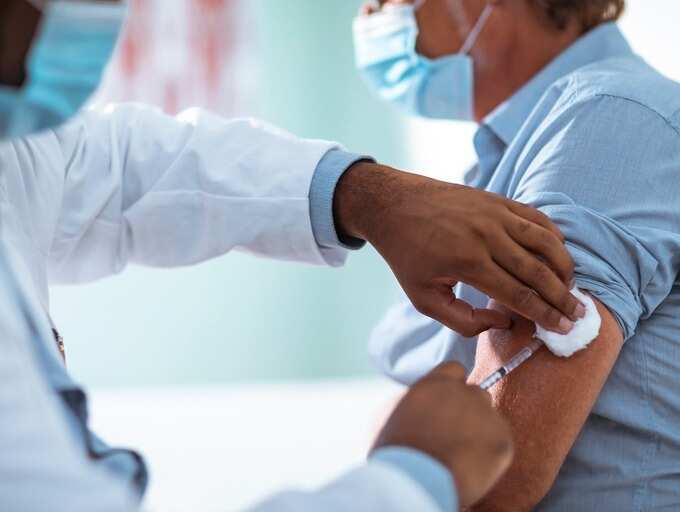
The new recommendations may loom worry in the minds of many, especially senior citizens and healthcare workers who have been administered shots before, which were doled out 4-6 weeks apart.
Are they still well protected? Experts say yes.
Those who have already received their two vaccine doses shouldn’t be too intimidated by the new guidelines. This is also not the first time guidelines with Covishield have been revised (the original timeline was 4-6 weeks, which was changed to 4-8 weeks).
06/9Here’s what you need to know
Secondly, do remember that being fully vaccinated DOES grant a good level of immunity and curbs severity and mortality risk, which are the worse evils. Those who are fully vaccinated also tend to get ‘milder’ forms of infection, if they do contract it.
The only difference is that the 12-16 week window may showcase a higher antibody and immune response than before, and serve a larger purpose of driving up community-wide immunisation at a critical juncture like right now. Remember, the vaccine is equally effective in both scenarios.
07/9How does the spacing of the doses mitigate the risks of the second wave?
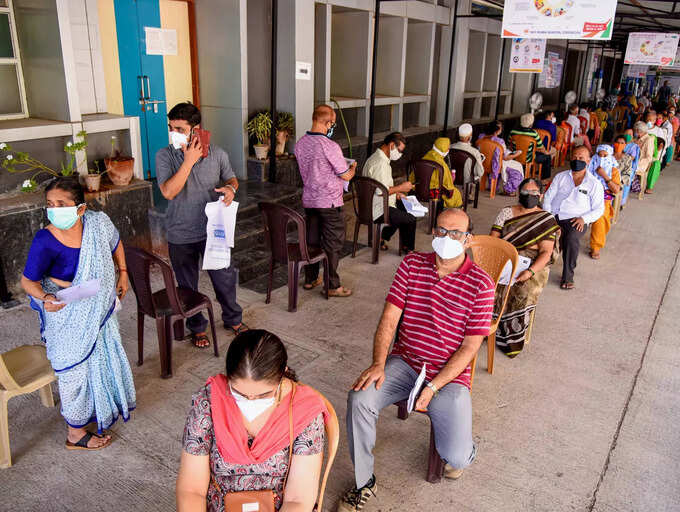
There’s still research going on the recommendations. However, during a crisis of this proportion, and fears of a third wave coming soon, delaying the gap between doses will help authorities fight the vaccine shortage faced by many states, and offer doses to those who may need it more.
Experts say that the delay will help governments and medical authorities to vaccinate (albeit partially) larger sections of people in a shorter time and cut down some of the risks associated with the severity of the disease that will put a burden on the healthcare resources.
08/9How protected are you with the first vaccine jab right now?
The first shot of the vaccine works to mount a sufficient immune response when the inactive/ dead-virus interacts with the system. Antibodies are generated and the body ‘learns’ to recognize the infection pattern and protects you. This happens hours, or in the following days after you get the shot and a person thus, gets ‘partial protection, and not the full efficacy.
The second dose helps heighten the immune response and powers the memory-B cells in the immune system to better remember the infectious pathogen. However, limited studies have proved that patients who have contracted COVID-19 before may only require the first dose of the vaccine to gain strengthened immunity.
So, it would be safe to say that a person stands to get partial, workable immunity after the first dose, but for proper, enhanced protection, a second dose is required.
09/9When should you take your second COVID-19 vaccine jab?
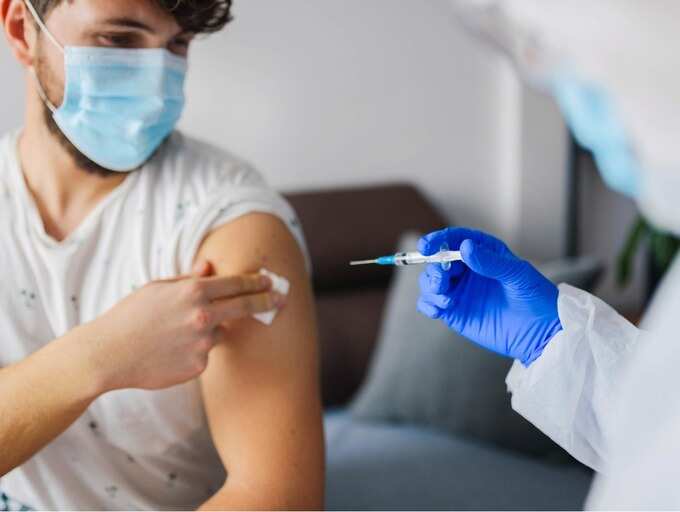
With the recommendations being doled out, people waiting to get vaccinated, or those who have received their first dose of Covishield vaccine should not be too worried right now.
Getting the shot after a prolonged time, which is also an issue some people who didn’t get vaccines face does not hamper immunity, or make it ineffective. Studies have indeed shown contrary effects. While the first dose should not be delayed at any cost, if you can, it is advisable to wait out before you get your second shot.
If a person contracts the infection after getting the first shot of the vaccine, the time gap may be further stretched by upto 3-4 weeks, subject to medical advice.